

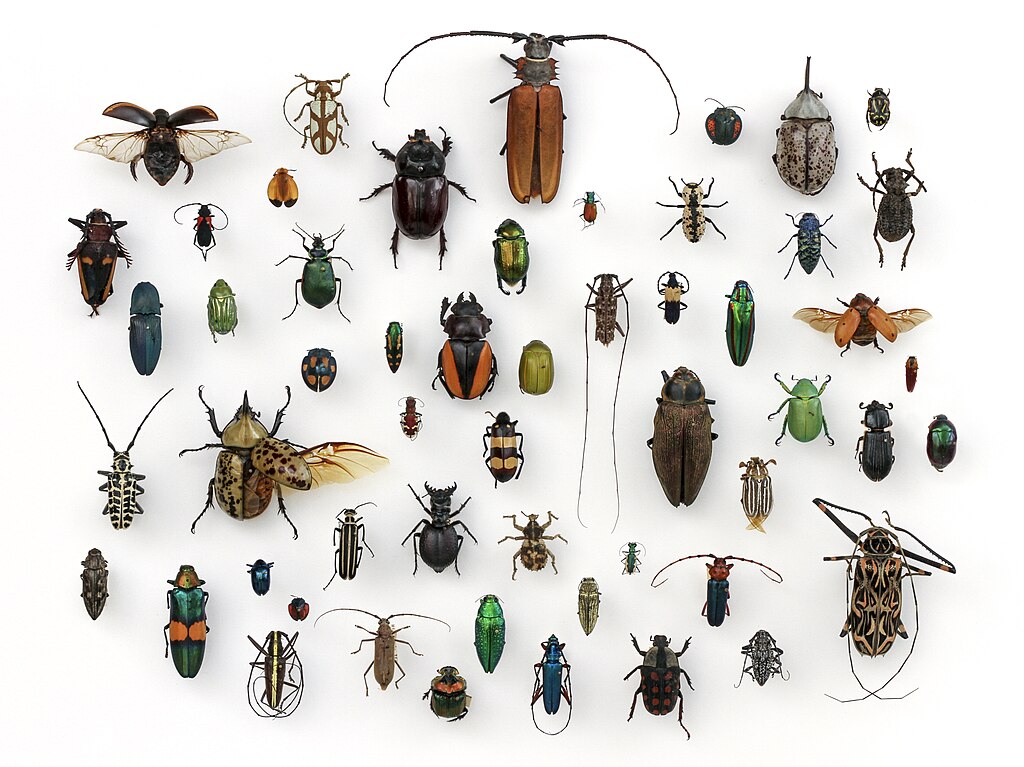
געוויסע אינסעקטן (אַרײַנגערעכנט פֿליגן, מיסטזשוקעס, טערמיטן און מערעטשקעס) העלפֿן דערצו, אַז אָרגאַנישע מאַטעריע זאָל זיך צעפֿאַלן און צוריקגעבן שפּײַזוואַרג אין דער ערד אַרײַן, וואָס דאָס איז קריטיש צו דער געזונטער וואַקסונג פֿון געוויקסן.
אַנדערע אינסעקטן העלפֿן מאַכן ווערטיקע פּראָדוקטן. למשל, בינען פּראָדוצירן האָניק, זײַד שטאַמט פֿון זײַדווערעם, און בלומיקע געוויקסן פֿאַרלאָזן זיך אויף בינען און וועספּן זיי צו באַשטויבן און העלפֿן צום פֿרוכפּערן.
הייסט עס, אַז כאָטש ס׳איז טאַקע אמת אַז אינסעקטן קערן פֿאַרשפּרייטן קרענק צווישן מענטשן, אַנדערע חיות און געוויקסן; און טערמיטן פֿרעסן האָלץ; און מאָלן, טאַראַקאַנעס און כרושטשעס פֿרעסן קליידער – בסך־הכּל זענען אינסעקטן אַ בפֿירושע מעלה פֿאַר דער סבֿיבֿה און דער וועלט.
While insects are a bit of a nuisance, we actually owe them a huge debt of gratitude for performing necessary functions in the environment. Why? Some insects (including flies, dung beetles, termites and ants) help decompose organic matter and return nutrients to the soil, which is critical for the growth of healthy plant life.
Other insects produce valuable products. For example, bees produce honey, silk comes from silkworms, and flowering plants depend on insects such as bees and wasps to pollinate flowers and help them reproduce.
So while it’s true that many insects can spread diseases to people, other animals, and plants; and termites eat wood; and moths, cockroaches, and beetles eat clothing – overall, insects are considered a clear benefit for the environment and the world.
ant: די מערעטשקע ‹מוראַשקע›, ־ס
bedbug: די װאַנץ, ־ן
bee: די בין, ־ען
beetle: דער זשוק, ־עס; דער כרושטש, ־עס
bite (v./pf.): אײַנבײַסן; געבן אַ ביס; אַ ביס טאָן
bumblebee: די זשומזשע, ־ס
cockroach: דער טאַראַקאַן, ־עס; דער פּרײַס, ־ן
cricket: די גריל, ־ן; דער טשירקון, ־עס
dung beetle: דער מיסטזשוק, ־עס
flap its wings: פֿלאַטערן (מיט די פֿליגל)
flea: די/דער פֿלױ, פֿלײ
(house)fly: די (שטוביקע) פֿליג, ־ן
insect: דער אינסעקט, ־ן
mosquito: דער מאָסקיט, ־ן; דער קאָמאַר, ־ן
I got a mosquito bite: ‹אַ מאָסקיט ‹קאָמאַר› האָט מיר אַ ביס געגעבן ‹געטאָן
דער מאָל, ־ן; דאָס נאַכט־פֿלאַטערל, ־עך
pollinate: באַשטויבן
silkworm: דער זײַ֜דװאָרעם, …װערעם
sting (v.): אײַנשטעכן; געבן אַ שטאָך; אַ שטאָך טאָן
I got stung by a wasp: אַ וועספּ האָט מיר אַ שטאָך געגעבן ‹געטאָן›; ס׳האָט מיר אַ שטאָך געגעבן ‹געטאָן› אַ וועספּ
termite: דער טערמיט, ־ן
wasp: די אָסע, ־ס; די װעספּ, ־ן
waterbug: דער װאַסערזשוק, ־עס; דער װאַסער־קנײַפּער, ־ס


Gita Baack, PhD.
I love this site. How can I subscribe?