

Discographer Henry Sapoznik tracks down record by international Yiddish-language performer Thomas LaRue, and slips into a rabbit hole of Black Jewish history
Early 1920s newspaper ads for the blockbuster New York Yiddish stage shows Dos Khupe Kleyd (The Wedding Dress) and Yente Telebende (Loquacious Battle‐Ax), featured a Black artist among the spotlighted performers. This was Thomas LaRue, a Yiddish-speaking singer widely known in the interwar period as der schvartzer khazan (The Black Cantor).
Although long-forgotten now, LaRue (who sometimes used the surname Jones) was among the favorites of Yiddish theater and cantorial music. Reportedly raised in Newark, New Jersey, by a single mother who was drawn to Judaism, he even drew interest from beyond the US.
LaRue was booked for more than one European tour in the 1930s, but audiences and critics in Jewish communities in Poland and Germany were somewhat more skeptical than the Americans. Although many were impressed with The Black Cantor — who sometimes added the Yiddish first name Toyve to his billing — others doubted his Jewish bona fides. One Warsaw newspaper published a cartoon of a Black man dressed as a cantor with an upside down prayer book on the podium in front of him, insinuating that LaRue was a scam.
But LaRue was the real thing, according to musicologist Henry Sapoznik, who recently spoke with The Times of Israel about the little-known history of Black cantors. Sapoznik related that LaRue was hardly the only Black cantor or Yiddish theater performers of that era. There were at least a dozen, including one woman.
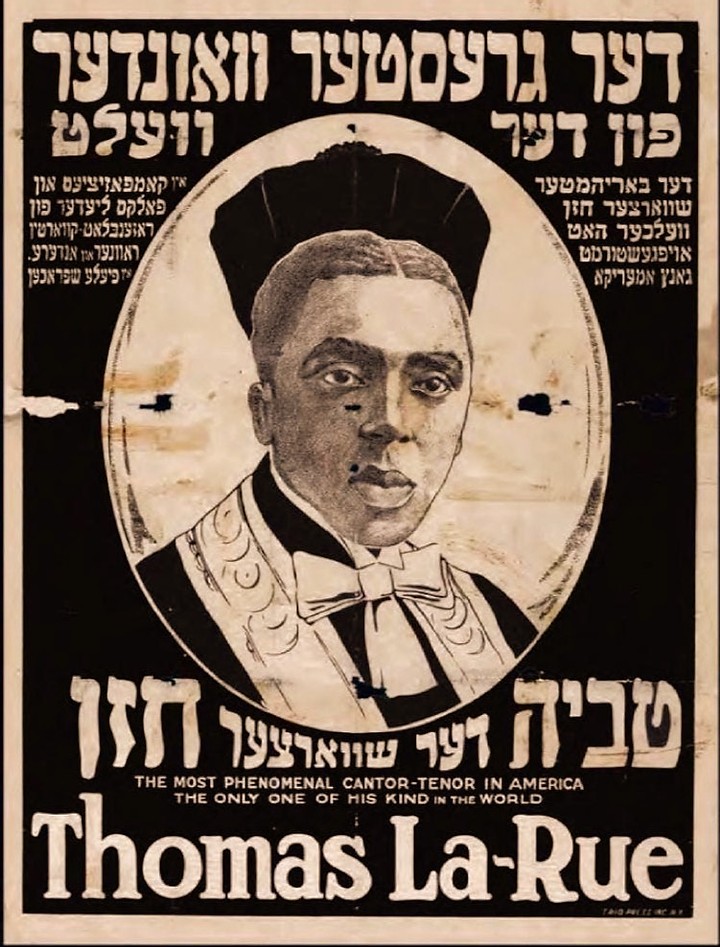
The proof of LaRue’s cantorial and Yiddish singing chops rests with what can be heard on a recently rediscovered 78 RPM record that he made in 1923. So far, it is the only known early 20th century recording of an African-American singing cantorial music.
An avid discographer, Sapoznik had been searching for this record for 45 years, and finally located it this past July. Ironically, Sapoznik recovered the disc at the sound archives of the YIVO Institute for Jewish Research in New York, which he himself founded and directed from 1982 to 1995.
“From time to time I would put out calls to my network asking if anyone had seen the record, but I would never get any answers. At a certain point I thought, ‘This is crazy. I’m not going to ever find it,’” an amazed Sapoznik told The Times of Israel in a video interview from his home in New York.
Sapoznik’s prolonged quest for this particular recording led to the exciting discovery of other forgotten Black cantors who were on the lecture-concert circuit in the Jewish world and were more or less contemporaries of LaRue.
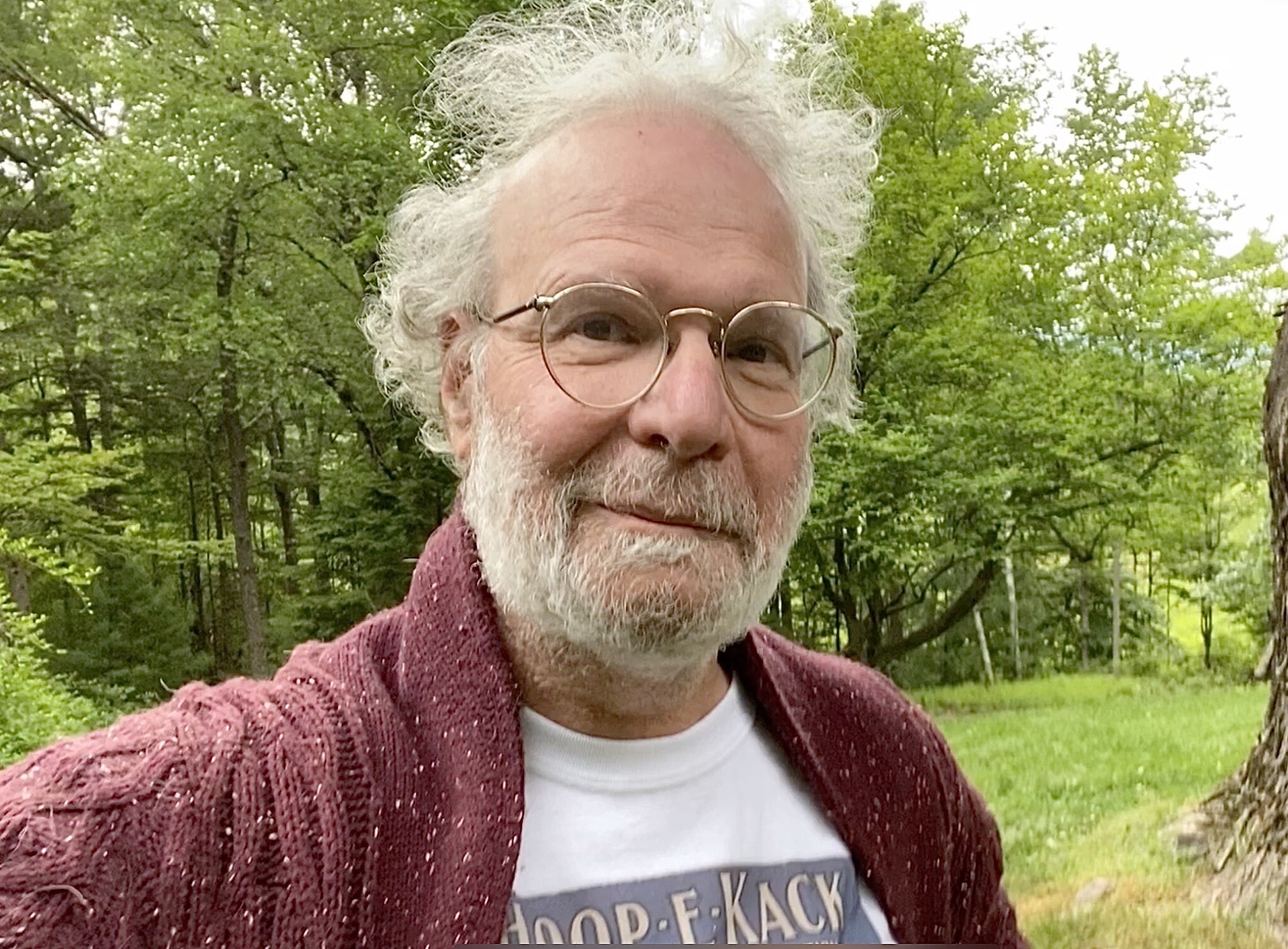
During the decades that Sapoznik, a native Yiddish speaker and an award-winning producer, musicologist and performer, and writer in the fields of traditional and popular Yiddish and American music and culture, searched for LaRue’s record, he amassed a sizeable dossier of information on these African-American cantors. It includes 150 period articles, reviews and advertisements in the mainstream, Black and Yiddish press about LaRue alone.
Sapoznik, 67, is sharing his findings with tens of thousands of readers on his research blog. He hopes to reveal more of this lost chapter of the intersection of Jewish and Black life, and would like to ultimately publish a book on the subject.
Harlem’s Black synagogues
While some Black cantors broke out as cantorial soloists and stars of the Yiddish stage, others mainly served as congregational cantors. They did this in Black synagogues in Harlem, which sprung up in the first decades of the 20th century as Blacks moved northward to escape the Jim Crow South.
Harlem was initially a primarily Jewish neighborhood, so the Black newcomers came into regular contact with their Jewish neighbors. This, together with rising Zionism-inspired Black nationalism, led some Blacks (who were rejected by the Jewish religious establishment) to form their own congregations in which they practiced Jewish rituals and used the Hebrew and Yiddish languages.
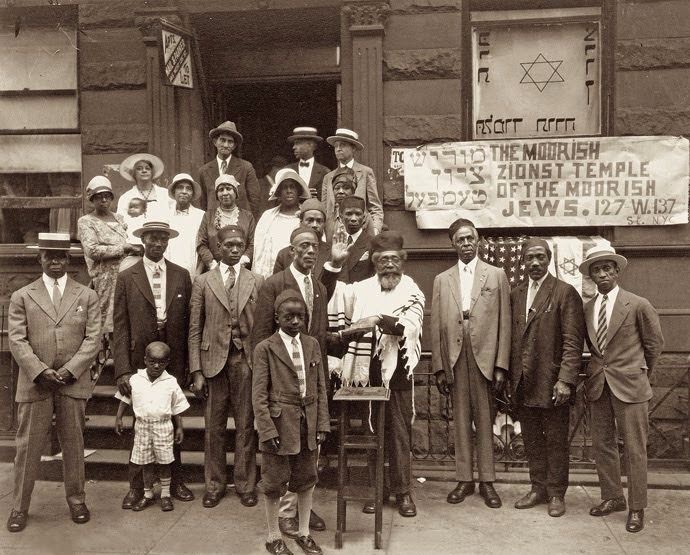
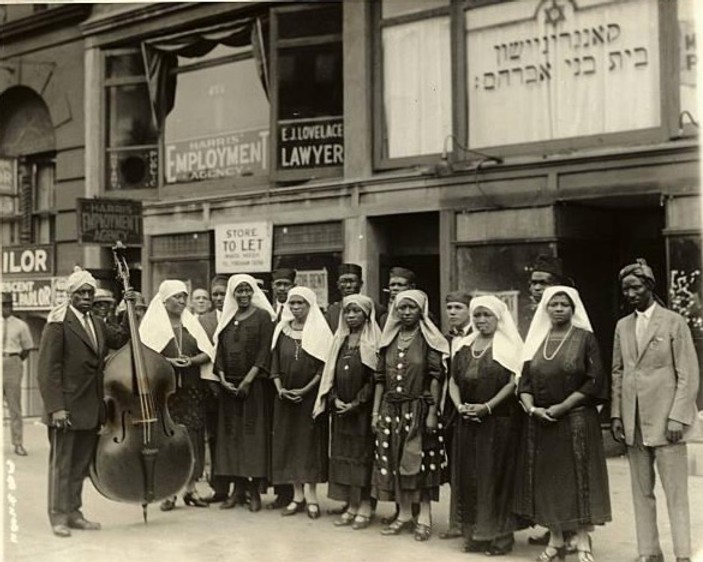
Among the Black congregations highlighted by Sapoznik were The Moorish Zionist Temple founded by Rabbi Mordechai Herman, who claimed direct Ethiopian lineage, and Congregation Beth B’nai Abraham founded in 1929 by the Barbados-born Rabbi Arnold Josiah Ford.
Rabbi Wentworth Arthur Matthew, a West Indian immigrant, founded The Commandment Keepers Ethiopian Hebrew Congregation in 1919, and would go on to establish a network of synagogues in the US and the Caribbean based on traditional Orthodox Ashkenazi traditions.
Sapoznik surmised that Blacks from the Caribbean may have adopted the religion of Jewish slaveholders, and that Blacks claiming Abyssinian (Ethiopian) lineage did so as a way of claiming a connection to Old Testament Hebrews.
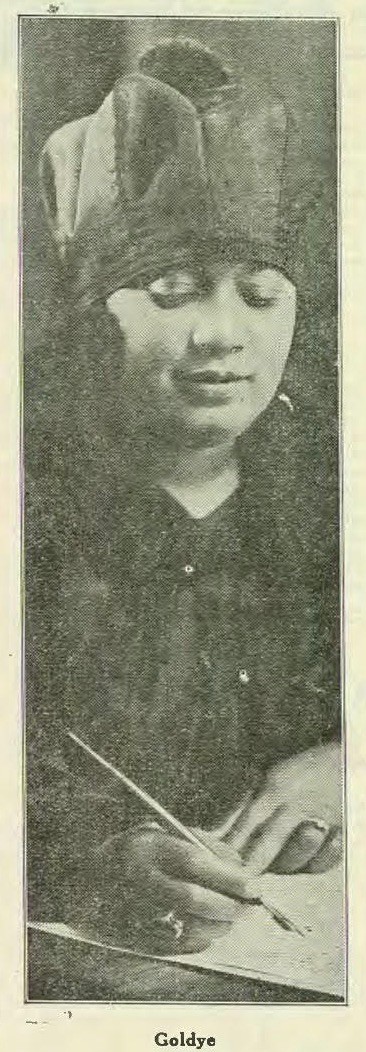
Sapoznik sourced Yiddish journalists who marveled at the existence of Black cantors. After meeting a young man named Mendel, der Shvartzer Khazn (Mendel the Black Cantor), one writer exclaimed in a June 1920 newspaper column, “He sings with a real Yiddish turn, with a real Yiddish moan and sigh. The old-time Jewish trope is there and really Jewish… Make no mistake… Until now we’ve only had a Jewish black —



Leave a Reply